
Service · PSI
Know what's in the ground before it costs you.
A Preliminary Site Investigation is the first formal answer to the contamination question — site history, walkover and targeted sampling, delivered as the evidence base for planning approvals, transactions and the environmental audit pathway.
What it is
The first formal look at contamination risk.
A Preliminary Site Investigation (PSI) is the recognised first step in assessing whether land is contaminated — and what that means for your project. It pieces together the site's history, walks the ground, and where the evidence warrants it, tests soil and groundwater — producing a report that councils, financiers and environmental auditors can act on.
Under the Environment Protection Act 2017, the duty to understand and manage contamination risk sits with whoever controls the land. For developers and purchasers, a PSI is how that duty — and a council planning condition under DEECA Planning Practice Note 30 — gets answered with evidence rather than assumption.
Faster answers, same rigour
Site history, field observations and laboratory results flow through our purpose-built data platform — Datanest and automated reporting — so the assessment lands sooner and the senior time goes into the judgement calls, not the assembly.
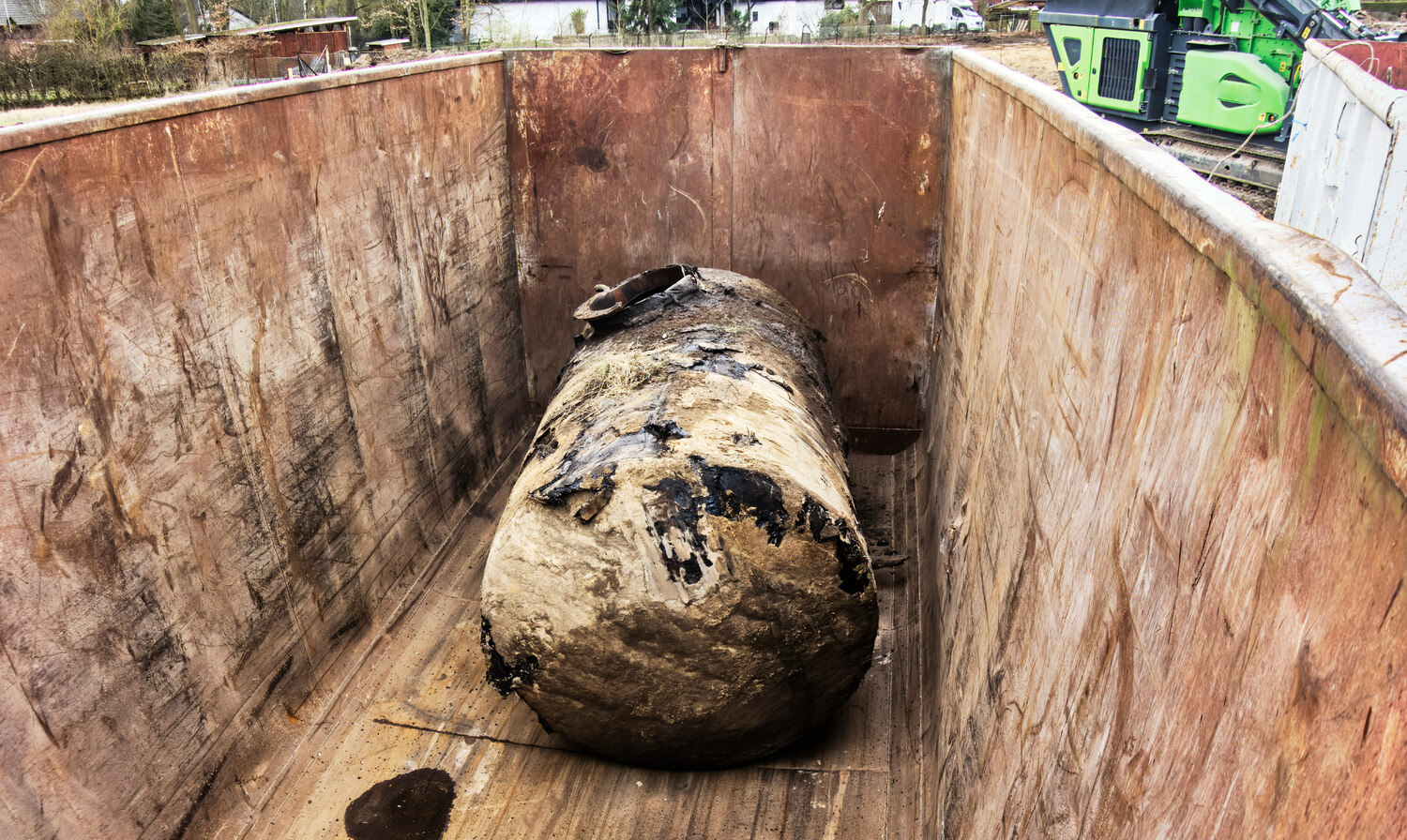 SITE WALKOVER · CONTAMINATION SCREEN
The deliverable
What a decision-ready PSI report contains.
01 · HISTORY
Site history & setting
Historical land use, zoning records, aerial imagery and past investigations — the paper trail that reveals where contamination is plausible.
02 · EVIDENCE
Walkover observations
What the ground actually shows — fill, staining, stressed vegetation, infrastructure — assessed against the desktop picture.
03 · DATA
Targeted sampling results
Where warranted, soil and groundwater results analysed against EPA Victoria criteria — data, not speculation, on what's present.
04 · PATH
Risk findings & next steps
A clear conclusion on contamination risk, and exactly what it means — for approval, for the transaction, or for the audit pathway.
Process
From first call to a report you can act on.
A structured, technology-driven sequence aligned with DEECA PPN30 and EPA Victoria guidance — each step only as deep as the evidence requires.
Consultation & planning
We establish your project scope, the site-specific concerns, and the regulatory pathway that applies — then gather the existing environmental data and records.
Site history & data review
Historical land use, zoning, previous investigations and approvals analysed to identify where contamination is plausible — and where it isn't.
Walkover & risk assessment
A comprehensive site inspection — soil, groundwater and surface conditions assessed for evidence of contamination and risks to project feasibility.
Sampling & analysis IF REQUIRED
Targeted soil and groundwater sampling to regulator guidance, analysed against EPA Victoria criteria to confirm what's present and the exposure risks that follow.
PSI report & next steps
A detailed report with the risk findings, any further assessment required, and strategic recommendations for moving your project forward.
Why it matters
Why a PSI is worth doing early.
RISK
Finds problems while they're cheap
Contamination discovered mid-project means redesign, delay and dispute. Identified up front, it's a known quantity you can plan and price for.
APPROVAL
Answers the council's question
A PSI is often required for development applications under the Planning and Environment Act 1987. Ours are written to support council approvals and to navigate the environmental audit system if it's triggered.
DECISION
Sharpens the investment case
A clear read on historical land use and contamination risk turns feasibility and budgeting from guesswork into evidence — before you're committed.
Planning permit flagged potentially contaminated land?
PPN30 conditions have a way of surfacing late in the approval process. An early conversation usually reveals a faster path than you'd expect — book a free consultation or read our explainer on how Victoria's environmental audit system works.
FAQ
Common PSI questions.
What is a PSI?
A Preliminary Site Investigation — the first formal assessment of whether land is contaminated. It combines a site history review, a walkover inspection and, where the evidence warrants it, targeted soil and groundwater sampling, concluding with a report on the contamination risk and what should happen next.
When do I need one?
Most commonly when a planning permit involves potentially contaminated land — councils apply DEECA Planning Practice Note 30 to decide when contamination must be assessed before approval. Beyond planning, a PSI is standard due diligence when buying, financing or redeveloping land with any industrial, agricultural or fill history.
What happens if contamination is found?
The PSI tells you what it means and what comes next — usually a Detailed Site Investigation (DSI) to define the extent, and in some cases entry into the environmental audit pathway (a Preliminary Risk Screen Assessment or environmental audit). We scope those next steps in the report and support you through them, so a finding becomes a plan rather than a dead end.
What's the difference between a PSI and an environmental audit?
A PSI is a consultant's investigation — fast, proportionate, and the right first step. An environmental audit is a formal statutory process conducted by an EPA-appointed auditor, typically triggered by planning requirements or significant contamination. A good PSI often resolves the question without an audit, and if one is needed, it becomes the foundation. Our audit-system explainer covers how the pathway works.
Related reading
Plain-English contamination & compliance guides.
Get a clear read on your site — before it decides for you.
Free initial consultation. Fixed scope and price before we start. Reviewed and signed off by an ex-EPA Victoria consultant.