
Service · CEMP
The plan that keeps your site moving.
Council planning conditions routinely require a Construction Environmental Management Plan before works start. Ours are written for the site team that has to live by them — dust, noise, sediment, spoil, complaints — and for the council officer who signs them off.
What it is
A condition on your permit. A tool for your site.
A Construction Environmental Management Plan (CEMP) manages the temporary but intense environmental risks of a construction program — dust, noise, vibration, sediment run-off, spoil, waste and community complaints. Where a council has conditioned one on your planning permit, works can't lawfully start until it's in place.
It also carries your General Environmental Duty under the Environment Protection Act 2017 through the build. A good CEMP satisfies both audiences at once: the council officer who signs it off, and the site team who will run it every day until practical completion.
Written for the people in boots
A CEMP that reads like a legal submission gets filed in the site office and forgotten. Ours use plain-English controls, clear triggers and named responsibilities — so the plan the council approved is the plan the crew actually follows.
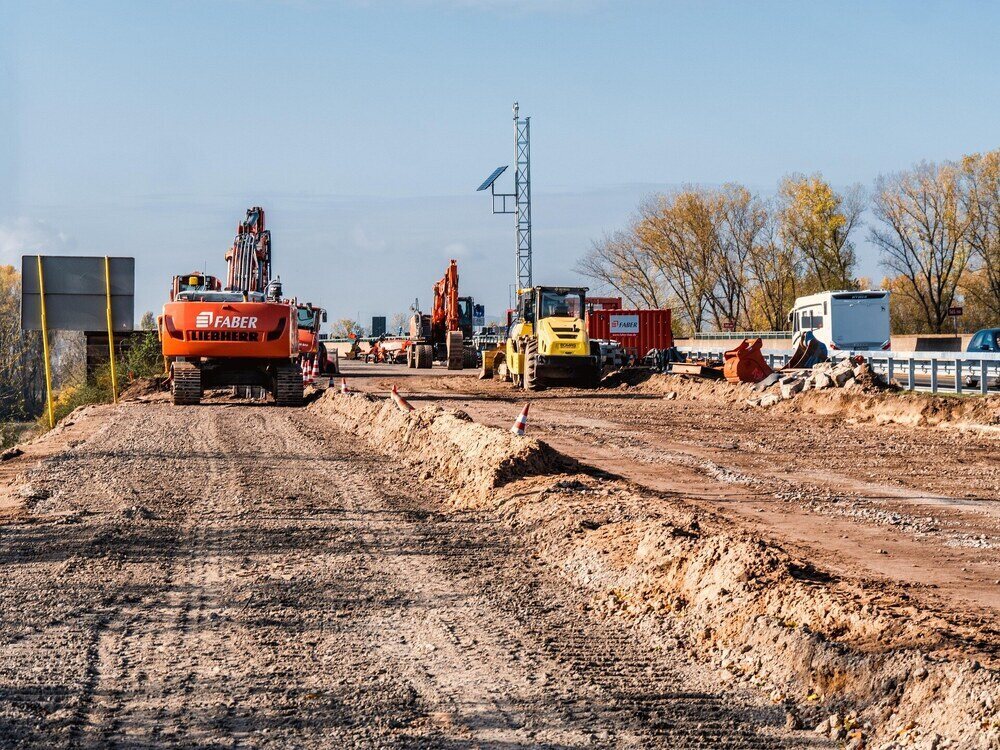 CONSTRUCTION PHASE · CEMP
The deliverable
What a council-ready CEMP contains.
01 · CONTEXT
Site & program profile
Your site setting, sensitive receptors, construction staging and the specific permit conditions the plan has to answer.
02 · RISK
Construction risk register
Dust, noise, vibration, sediment, spoil and waste risks identified against your actual works program — not a generic template list.
03 · CONTROLS
Controls & responsibilities
Practical controls mapped to each risk with named owners, triggers and corrective actions — including a complaint response procedure.
04 · PROOF
Monitoring & records
The inspection and record-keeping regime that satisfies council reporting expectations and demonstrates your GED compliance.
Process
From permit condition to approved plan.
We scope from your actual permit conditions and works program, so the plan answers exactly what the council asked for — and drafting on our platform means senior time goes into the risk calls, not the formatting.
Permit-condition review & scope
We read your planning permit and any council correspondence, identify exactly what the CEMP condition requires, and fix the scope before drafting starts.
Site & program review with the builder
A working session with your principal contractor on the site setting, staging, haulage routes and neighbours — so controls fit the way the build will actually run.
CEMP drafted to council expectations
The risk register, controls, responsibilities and monitoring regime assembled into a document structured the way council officers expect to review it.
Implementation support
Toolbox content, inspection checklists and plan updates as staging changes — so the CEMP stays accurate from site establishment to practical completion.
Why it matters
Why a CEMP is worth doing properly.
LEGAL
Permit compliance
Where a planning condition requires a CEMP, works can't lawfully start without one. A credible plan clears the condition and starts the program on solid ground.
PROGRAM
Protects your schedule
A CEMP the council accepts first time — and the site actually follows — means no stop-work surprises, no scrambling when an officer visits mid-build.
COMMUNITY
Neighbours managed, not inflamed
Dust, noise and truck movements generate complaints. A clear response procedure deals with them before they escalate into council intervention.
CEMP condition on your permit?
Don't leave it until the week before site establishment. Starting at permit grant keeps the plan off your critical path — book a free consultation and we'll scope it from your actual conditions.
FAQ
Common CEMP questions.
Do I need a CEMP or an EMP?
Same discipline, different phase. An EMP manages the ongoing environmental risks of an operating business or site; a CEMP manages the temporary but intense risks of a construction program and is usually tied to a planning permit condition. If your trigger is a condition on a permit for building works, it's a CEMP you need.
When do I need the CEMP by?
Where it's conditioned, before works commence — many conditions require council endorsement of the plan before site establishment. The safe move is to start at permit grant, so the CEMP never sits on your program's critical path.
Who owns the CEMP on site?
The principal contractor — they implement it day to day, run the inspections and respond to complaints. We write the plan so they can actually run it: plain-English controls, clear triggers and responsibilities matched to the roles that exist on your site.
What if conditions change mid-build?
Staging shifts, methods change, councils issue further requirements. We support updates and revisions through the program so the endorsed plan keeps matching what's happening on the ground.
Related reading
Plain-English EMP & CEMP guides.
Get a CEMP the council will endorse — and your site team will run.
Free initial consultation. Fixed scope and price before we start. Reviewed and signed off by an ex-EPA Victoria consultant.